Effective Methods for Unclogging a Sewer Line From Your Toilet
Discover six effective DIY methods to unclog your toilet sewer line. Handle blockages easily at home with plungers, baking soda, and more.
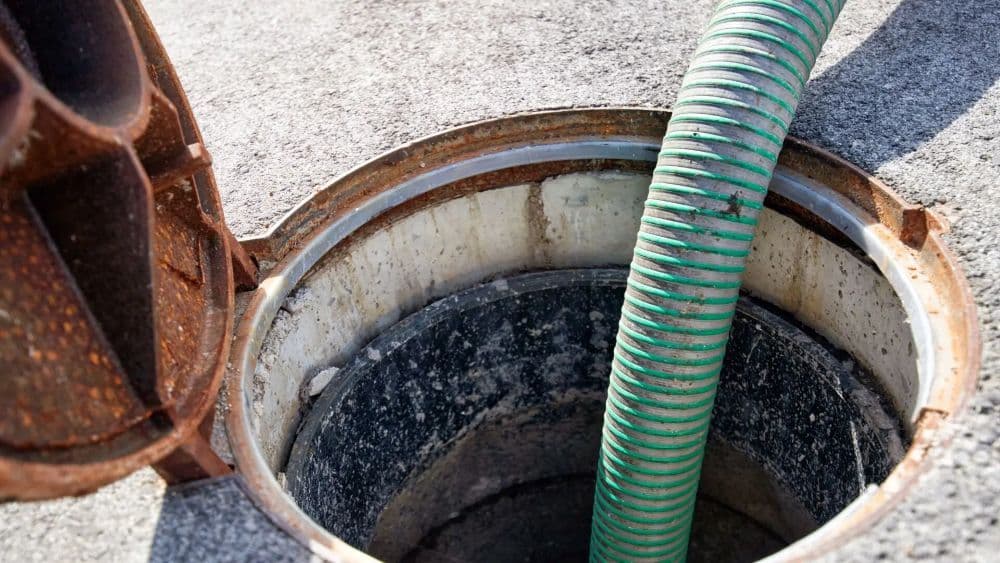
A clogged sewer line backing up through your toilet is one of those problems nobody wants to deal with, but it happens more often than you'd think. The good news is that most clogs can be handled at home before you need to call in reputable plumbing services. This post walks through six proven methods, from basic plunging to using a plumbing snake, to get things flowing again. Each technique works best for different types of blockages, so knowing your options helps. We'll cover the tools, steps, and tips you need to tackle the problem yourself.
Plunger Method
Start by making sure the plunger's rubber cup fully covers the drain opening to create a tight seal. Push down gently at first to release any trapped air inside the cup. Then use firm, rapid strokes to build up pressure and push the blockage loose. Keep a steady rhythm going for about 15-20 seconds. After that, flush the toilet and see if the water drains normally. If it does, the clog is gone. If not, try a few more rounds of plunging before moving on to another method.
Baking Soda and Vinegar
If the plunger didn't do the trick, baking soda and vinegar can break down stubborn clogs without harsh chemicals. Here's how to do it:
Pour Baking Soda: Drop one cup of baking soda into the toilet bowl right where the clog is.
Add Vinegar: Follow with 1 cup of vinegar. The mix will foam, helping loosen the blockage.
Wait and Flush: Let it sit for 30 minutes to an hour, then flush to check if the clog has cleared.
Hot Water Flushing
Regularly flushing your sewer line with hot water can help prevent clogs before they start. Hot water breaks down grease, soap scum, and other gunk that accumulate in pipes over time. Heat water to just below boiling and carefully pour it down the toilet. The heat dissolves the buildup, allowing it to move through the pipes more freely. Pour slowly to avoid splashing safety matters here. Making this a regular habit keeps your sewer line clean and running right.
Wire Coat Hanger Technique
A wire coat hanger can work surprisingly well for breaking up clogs without damaging your pipes. Here's the process:
Straighten the Hanger: Unwind and straighten the hanger as much as you can to make a long, flexible tool.
Create a Hook: Bend one end into a small hook shape so you can grab onto debris causing the blockage.
Insert and Rotate: Gently push the hooked end into the drain and twist it to catch the clog. Carefully pull out the debris to clear the line.
Enzyme Drain Cleaner
Enzyme drain cleaners use live bacteria and enzymes to eat through organic materials like hair, grease, and food particles stuck in your pipes. These bio-enzymatic products break clogs down into smaller pieces that wash away freely. To use one, pour the recommended amount down the affected drain, let it work (check the label for how long), then flush with hot water. Stick to the product directions closely to get the best results and protect your plumbing.
Plumbing Snake or Auger
A plumbing snake, or auger, is a hand-held tool designed to reach deep into pipes and break up tough blockages. Here are three things to keep in mind:
Length: Make sure the snake is long enough to reach the clog so you can clean it out fully.
Diameter: Pick a size that fits your pipes too wide and you risk damage, too narrow and it won't grab the blockage.
Technique: Feed the snake into the pipe with a steady, controlled motion. Apply gentle pressure to break up the clog bit by bit.
Related Topics: