How to Properly Install a Sewer Line: Complete Installation Guide
Discover the complete guide to properly installing a sewer line, including depth calculations, slope requirements, and securing permits for long-term functionality.
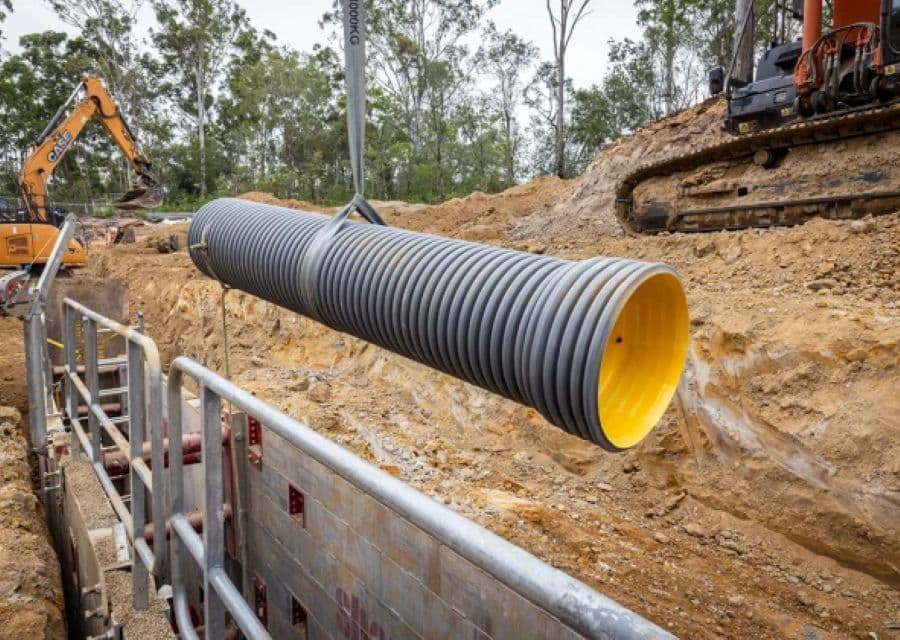
Installing a sewer line requires precise execution of multiple technical phases that municipal wastewater systems depend on for long-term functionality. Professional pipe-laying contractors follow strict protocols when connecting residential properties to municipal sewer networks, ensuring that waste management infrastructure serves communities reliably. Modern sewer line installation techniques have evolved significantly, with industry standards requiring specific depth calculations, slope measurements, and connection procedures that prevent costly failures down the road. These complex projects demand the expertise that only Alton's trusted plumbing services can provide to guarantee code compliance and system longevity.
Understanding Sewer Line Installation Fundamentals
Before breaking ground, successful sewer line installation depends on understanding how gravity-fed systems work. Water flows downhill, which seems obvious until you're standing in a trench wondering why everything's backing up. The key lies in getting those calculations right from the start.
Many homeowners underestimate the complexity involved. This isn't like running a garden hose across your yard. We're talking about permanent infrastructure that must withstand decades of use while meeting local building codes and environmental regulations.
Determining Proper Pipe Depth
The depth of your sewer line affects everything else in the installation process. Standard residential sewer lines typically run between 6 and 8 feet below ground, though local frost lines and existing utility conflicts can push this deeper.
Start by checking your local building codes for minimum depth requirements. Cold climate areas often require deeper installations to prevent freeze damage. Rocky soil conditions limit how deep you can reasonably dig without specialized equipment.
Professional contractors use elevation surveys to map out the entire run from your house to the connection point. This prevents the nightmare scenario of discovering halfway through the job that your pipe needs to cross under an existing water main.
Computing the Slope Requirements
Slope calculations make or break sewer line performance. Too steep, and solids separate from liquids, creating blockages. Too flat, and nothing flows properly. The standard is typically 1/4 inch of fall per foot of pipe, though this varies based on pipe diameter and local codes.
Calculate your total elevation change by subtracting the endpoint elevation from the starting elevation. Divide that number by the total horizontal distance to get your slope percentage. A 100-foot run with 2 feet of elevation change gives you a 2% slope, which translates to about 1/4 inch per foot.
Use a string line and level to mark your slope along the entire route. Mark trees or stakes every 25 feet to maintain a consistent grade during excavation. This saves hours of re-digging later when you discover sections that don't drain properly.
Securing Required Permits
Most municipalities require permits for sewer line work, especially when connecting to public systems. The application process typically involves submitting detailed plans showing your proposed route, connection points, and pipe specifications.
Permit fees vary widely, but expect to pay between $100 and $500, depending on your location and project scope. Some areas require licensed contractors to pull permits, while others allow homeowners to pull permits themselves.
Submit your paperwork early. Approval times range from a few days to several weeks, and you can't start digging without proper permits in hand. Include site maps, elevation drawings, and connection details to speed up the review process.
Excavating the Trench
Trench excavation requires careful planning to avoid existing utilities. Contact your local utility marking service at least 48 hours before digging. Gas lines, water pipes, electrical conduits, and communication cables can all create expensive problems if damaged.
Rent appropriate equipment for your soil conditions. Sandy soils work well with trenching machines, while rocky ground might require a backhoe with a hydraulic breaker. Plan proper spoil pile placement to avoid excavated soil interfering with pipe installation.
Check trench walls for stability as you dig. Loose soils require temporary shoring to prevent cave-ins. OSHA requires protective systems for trenches deeper than 5 feet, so factor in the costs of safety equipment and setup time.
Installing Proper Bedding Material
Lay the bedding material before placing any pipes. Clean sand or fine gravel works best, providing uniform support while allowing proper drainage around the pipe. Avoid using excavated soil that contains rocks, roots, or debris.
Spread bedding material 4 to 6 inches thick along the bottom of your trench. Use a rake to create a smooth, even surface that follows your calculated slope. Some contractors prefer to slightly over-excavate and build up with bedding material for better grade control.
Compact the bedding lightly to prevent settling while maintaining enough flexibility for the pipe to seat properly. A hand tamper works well for smaller projects, while larger installations might justify renting a plate compactor.
Installing the Pipe Sections
Modern sewer pipes are available in various materials, with PVC being the most common for residential applications. Start installation at the lowest point and work uphill, ensuring each joint connects properly before moving to the next section.
Check pipe alignment frequently using a string line or laser level. Even small deviations compound over long runs, potentially creating low spots where waste accumulates. Support pipes adequately during installation to prevent sagging or movement.
Clean pipe ends thoroughly before making connections. Dirt or debris in joints creates leak points that can lead to expensive problems later. Apply primer and cement according to manufacturer specifications, holding connections firmly until the bond sets.
Connecting to Existing Systems
Connection procedures vary depending on whether you're tying into an existing house line, septic system, or municipal sewer. Municipal connections often require special fittings and inspection by city personnel before backfilling.
House connections typically involve cutting into existing cast iron or PVC and installing new fittings. Use appropriate transition couplings when connecting pipes of different materials. Rubber boot connections work well for cast iron-to-PVC transitions.
Test fit all connections before applying cement or tightening clamps. Once you commit to a connection, changes become expensive and time-consuming. Take photos of completed connections before backfilling for future reference.
Backfilling the Installation
Backfill in lifts to prevent pipe damage and ensure proper compaction. Start with clean sand or fine soil around the pipe, building up 6 inches above the pipe crown before adding regular backfill material.
Remove rocks, construction debris, and organic material from backfill. These items can settle over time, creating depressions in your yard or potentially damaging the pipe. Compact each lift lightly to prevent settling without over-compacting around the pipe.
Mark the pipe location with permanent markers or take GPS coordinates for future reference. Buried utilities have a way of becoming "lost" over time, and accurate records prevent accidental damage during future projects.
Testing System Performance
Conduct thorough testing before considering the job complete. Start with a visual inspection of all connections and joints, looking for obvious leaks or misalignment. Many contractors prefer to test sections as they install rather than waiting until the end.
Water testing involves filling the system and checking for leaks at all connection points. Allow the system to sit for several hours before final inspection. Small leaks that seem minor during initial testing can become major problems over time.
Flow testing verifies that waste moves through the system correctly. Run water through fixtures connected to the new line, checking for proper drainage and adequate flow velocity. Slow drainage often indicates slope problems that need correction before backfilling.
Quality Assurance and Documentation
Professional installations include comprehensive documentation for future reference. Take photos at each stage, particularly before backfilling, to document the work: record pipe locations, depth measurements, and connection details.
Many contractors provide warranties on their work, but these typically require proper documentation and compliance with manufacturer specifications. Keep receipts for all materials and maintain records of permit inspections.
Customer reviews consistently highlight the importance of thorough testing and proper documentation. Trustpilot reviews for sewer contractors frequently mention appreciation for detailed photo documentation and clear explanations of the installation process.
Common Installation Challenges
Rocky soil conditions can significantly increase project costs and timeline. Consider soil testing before committing to DIY installation in areas with known bedrock or hardpan conditions. Professional contractors have specialized equipment for difficult ground conditions.
Existing utility conflicts require careful planning and, at times, expensive relocations. Water lines, gas pipes, and electrical conduits all take precedence over new sewer installations in most areas. Budget extra time and money for unexpected utility issues.
Weather conditions affect both digging and pipe installation. Wet soils become difficult to excavate and compact properly. Freezing temperatures can affect the cure time of pipe cement and make working conditions dangerous.
The success of any sewer line installation depends on attention to detail throughout every phase of the project. From initial planning through final testing, each step builds on the previous work to create infrastructure that serves reliably for decades. Whether you tackle the project yourself or hire professional contractors, understanding these procedures helps ensure a successful outcome that meets local codes and performance expectations.
Contact Us
Facing plumbing issues? Contact A+ Plumbing & Drain Cleaning for reliable and professional services in the Tri-Cities area.
Address: 3680 Seiler Rd, Bethalto, IL 62010
Phone: (618) 363-1489
Business Hours: Open 24/7
For inquiries or to schedule a service, please visit our Contact Us page.
Related Topics: