How Long Do Clay Sewer Pipes Last? A Complete Guide
Learn about the lifespan of clay sewer pipes and key maintenance tips to extend their durability. Find insights on when to repair or replace them.
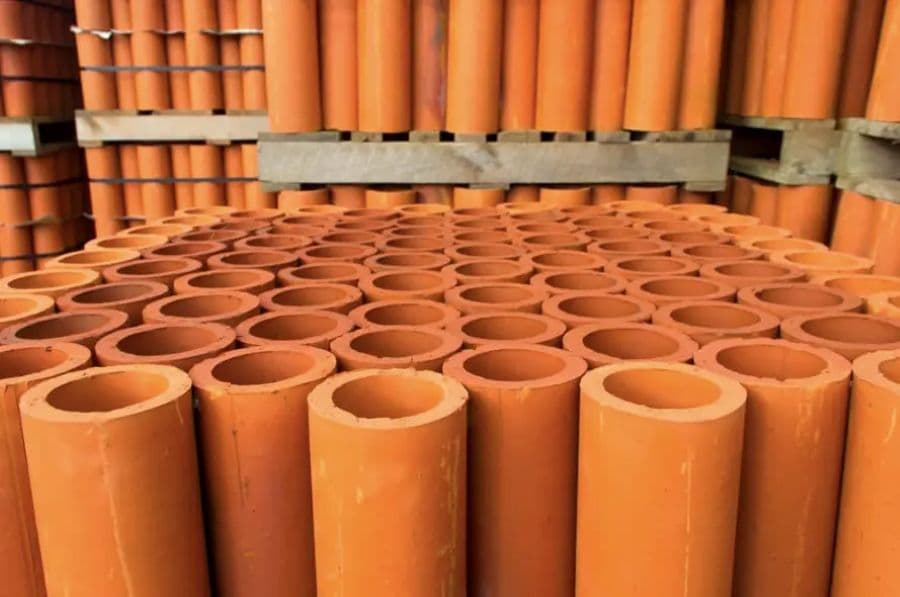
Clay sewer pipes have been around for decades and still sit beneath many older homes across the country. If your house was built before the 1970s, there's a good chance your sewer line is made of clay. A dependable plumbing company can help you assess the condition of your pipes and determine the next steps. This guide covers how long clay pipes typically last, what causes them to break down, and how to spot signs of trouble. We'll also go over maintenance tips, repair options, and ways to extend their lifespan.
Lifespan of Clay Sewer Pipes
Clay sewer pipes generally last 50 to 60 years, though that depends on soil conditions and how well they've been maintained. Pipes buried in sandy soil tend to hold up longer because the ground provides better support and shifts less than clay-heavy soil. Routine checks for root intrusion, blockages, and corrosion can add years to a pipe's life. Catching problems like cracks or leaks early keeps the whole system running smoothly. With proper care, clay sewer pipes can remain functional for decades.
Factors Influencing Durability
The soil around your pipes and how often you maintain them are the two biggest factors affecting how long they last. Clay pipes are sensitive to their environment highly acidic or corrosive soil speeds up deterioration. How often you inspect and clean the pipes matters just as much. Regular checks for blockages, root growth, or cracks can stop small issues from turning into expensive repairs. Timely cleaning and fixes go a long way in keeping clay sewer pipes in working order for years.
Signs of Deterioration
Knowing what to look for helps you catch pipe problems before they get worse. Cracks or fractures on the pipe surface usually indicate that the material is weakening due to age or external pressure. Visible erosion or corrosion on the pipe indicates material degradation. Blockages from tree roots or debris buildup are another red flag. Slow drains, bad smells, or dampness around pipe joints all suggest something needs attention soon.
Maintenance Tips for Longevity
Staying on top of routine maintenance is the best way to keep clay sewer pipes in good condition. Here are some practical maintenance tips:
Perform Annual Check-ups: Have a professional inspect your pipes once a year to catch problems early.
Monitor Tree Roots: Watch for nearby trees and shrubs whose roots could grow into the pipes.
Avoid Flushing Harmful Substances: Don't put grease, chemicals, or non-biodegradable items down the drain.
Clean Regularly: Set up a routine cleaning schedule to prevent buildup and clogs.
Repair Vs. Replacement Considerations
Deciding between fixing and replacing clay sewer pipes comes down to the extent of the damage. Suppose the issue is small, like a single crack. Repairs like patching or relining usually make more sense financially. But if the pipe has multiple fractures or extensive root damage, replacing the entire line is probably the smarter move for long-term reliability. The pipe's age, condition, and the extent of the damage should all factor into your decision.
Extending the Lifespan of Clay Pipes
A solid maintenance routine can add years to your clay pipes. Here are some strategies worth using:
Regular Inspections: Do frequent visual checks to spot early signs of damage or blockages.
Hydro Jetting: Use high-pressure water to flush out debris and buildup, keeping the flow strong.
Root Maintenance: Implement root control measures to prevent invasive roots from cracking pipes.
Chemical Treatments: Apply specialized, pipe-safe chemicals to prevent corrosion and keep the inside clean.
Related Topics: