What Is Rough Plumbing and Why Does It Matter
Discover the vital role rough plumbing plays in construction. Understand materials, key installation steps, and common pitfalls to avoid costly errors.
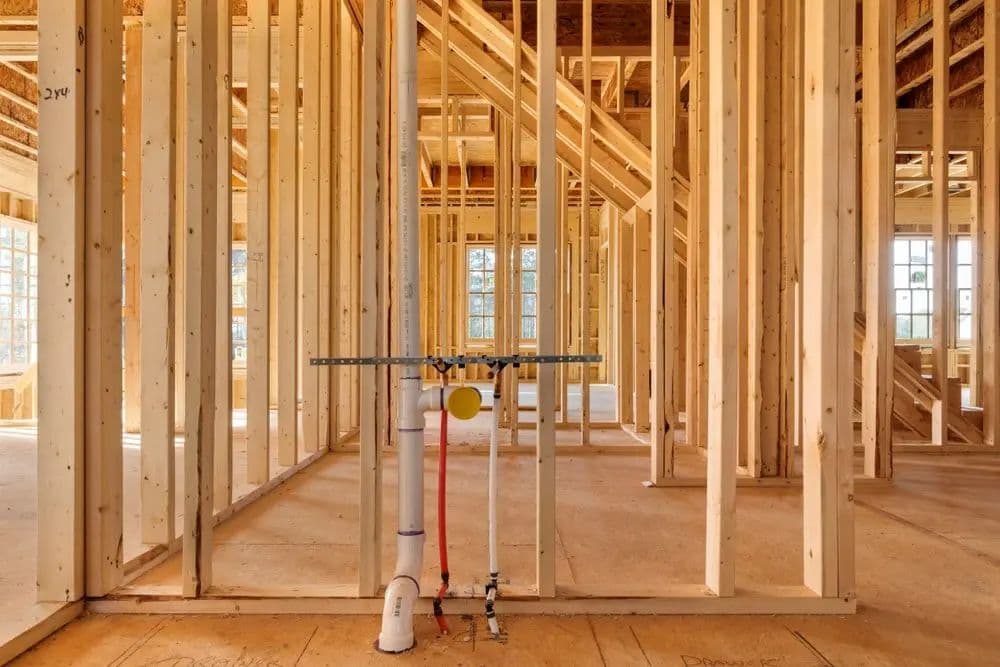
If you're planning a new build or a significant renovation, you'll hear the term "rough plumbing" a lot. Expert plumbers in Alton know this phase sets the foundation for everything that follows. This guide breaks down what rough plumbing actually means, the materials involved, and why getting it right matters so much. We'll also cover common mistakes that can cost you money down the road. By the end, you'll understand why this behind-the-walls work deserves serious attention.
The Basics of Rough Plumbing
Rough plumbing is installing all the pipes before any fixtures are installed. This stage includes laying out water supply lines, drainage pipes, and venting systems throughout the building. All pipes need to be the right size, placed correctly, and appropriately angled so water flows where it should. During this phase, plumbers also install fittings such as couplings, elbows, and tees to connect components. Getting this part wrong means expensive fixes later, so accuracy here saves headaches down the line.
Key Components and Materials
Several materials make up a rough plumbing system. Pipes come in different types: PVC, CPVC, copper, or PEX, and the right choice depends on water pressure, temperature, and what the pipes will carry. Sizing pipes correctly prevents leaks and keeps water flowing at the correct rate. Fittings like elbows, tees, and couplings connect pipe sections and direct water where it needs to go. Valves (ball valves or gate valves) control water flow throughout the system. Fixtures like sinks, toilets, and tubs connect to these pipes for supply and drainage. Every piece has a job, and they all need to work together.
Importance of Proper Installation
Getting rough plumbing installed correctly determines how well the whole system performs over time. This means precise measurements, correct angles, and tight connections. Sloppy installation leads to leaks, clogs, or complete system failures that hurt the plumbing's overall efficiency. Pipes need proper sizing, solid support, and the right slope to avoid problems later. Following local building codes during installation keeps you out of legal trouble and makes sure everything stays safe. Sound installation also makes future maintenance and repairs much easier, saving you time and money.
Impact on Building Efficiency
How well rough plumbing gets installed directly affects the building's plumbing performance. A solid installation keeps water flowing smoothly, reduces leak risk, and helps fixtures operate at full capacity. Smart rough plumbing design accounts for pipe sizing, layout, and venting to maintain intense water pressure and unobstructed drainage. Placing pipes and fittings in the right spots during installation reduces problems like clogs and pressure drops, which means a more reliable system overall. Good rough plumbing also extends the life of your entire plumbing setup, leading to long-term savings for the property owner.
Common Rough Plumbing Mistakes
Skipping small details during rough plumbing can lead to costly problems and degrade system performance. Here are common mistakes to avoid:
Incorrect Slope: Drainage pipes without sufficient angle drain slowly or clog.
Improper Ventilation: Poor venting causes airlocks, which make drains gurgle or empty slowly.
Mismatched Pipe Sizes: Using the wrong pipe diameters disrupts water flow and causes pressure problems.
Ignoring Local Codes: Skipping local plumbing regulations leads to costly corrections and potential legal issues.
Ensuring Long-Term Plumbing Success
Paying close attention to rough plumbing helps keep the system running well for years. Good planning and execution at this stage make a massive difference in how long your plumbing lasts. Accurate measurements, correct pipe sizes, and secure connections all contribute to a durable, efficient system. Using high-quality materials and adhering to industry standards helps prevent future issues and costly repairs. Regular inspections, routine maintenance, and quick fixes when needed keep everything running smoothly. Put in the effort during rough plumbing and stay on top of upkeep, and your plumbing will thank you.
Related Topics: