How to Clear a Main Sewer Line Clog on Your Own
Main sewer clogs start small but can affect the whole house; DIY fixes work for minor blockages, but serious issues need a plumber.
A main sewer line clog is one of those problems that sounds simple until it starts affecting the whole house. Drains slow down, toilets act strangely, and suddenly you are wondering how everything connects.
This post walks through what usually causes these clogs, what warning signs tend to show up first, and what you can reasonably try on your own. Even people who normally rely on a trusted plumbing company often want a basic understanding of what is happening underground. Knowing a little helps you decide when to act and when to stop.
Signs of a Clogged Sewer Line
Most sewer line clogs do not announce themselves right away. It often starts small. A sink takes longer to drain, then a shower backs up, then the toilet feels sluggish. Gurgling noises can come from drains when water is running somewhere else in the house. That is usually a clue.
Unpleasant smells are another sign, especially when they seem to linger or come from more than one place. When several fixtures start misbehaving at once, the problem is usually deeper than a simple clog near the drain opening.
Tools Needed for Clearing Clogs
Trying to clear a sewer line without the right tools can be frustrating. A basic plunger rarely reaches far enough to help. A drain snake or auger is more useful since it can move through long stretches of pipe and push through debris.
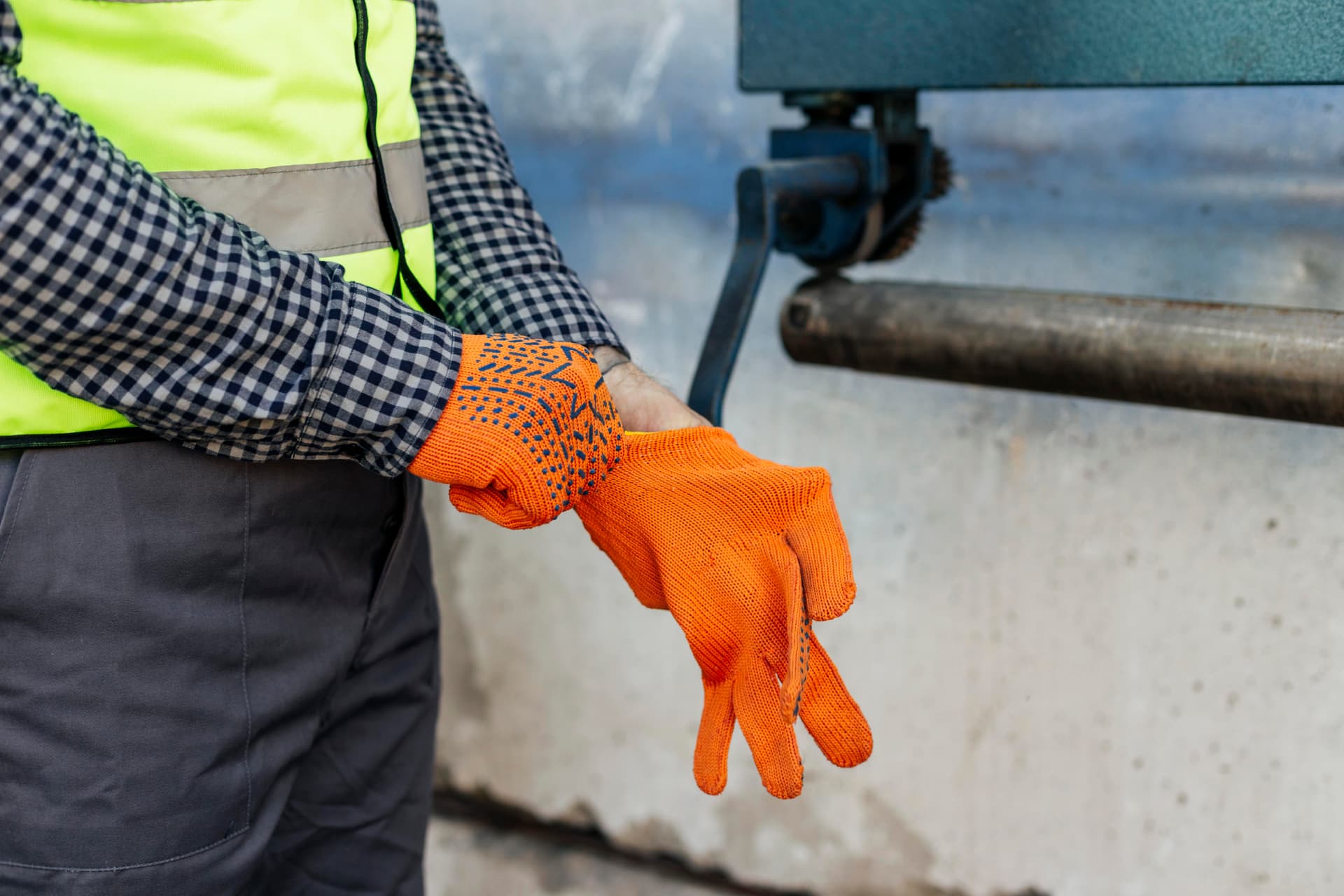
Hand-crank versions work for lighter blockages, while tougher clogs may need something stronger. It also helps to have gloves, rags, and a bucket nearby, because this kind of work is rarely clean, even when things go smoothly.
DIY Methods for Unclogging
Some sewer clogs respond to simple fixes, at least at first. Hot water mixed with dish soap can loosen grease buildup, which is a common issue in many homes. Pouring it slowly gives it time to work through the pipes instead of rushing past the problem.
This approach works best for early clogs and minor slowdowns. If the drain improves but does not fully clear, that usually means there is more going on further down the line. At that point, repeating the process over and over tends to waste time.
Preventative Maintenance Tips
Preventing sewer line clogs often comes down to daily habits. Grease and oil harden as they cool and stick to pipe walls. Hair, soap residue, and food scraps add to the problem little by little. Drain strainers help catch debris before it causes trouble, even if they seem small.
Paying attention to slow drains instead of ignoring them can also make a difference. Small changes in how water flows are often early warnings.
When to Call a Professional
Some situations are clear signs to stop and call for help. If sewage backs up into a tub or floor drain, that is not something to experiment with. Repeated clogs in different parts of the house usually point to a larger blockage or pipe damage.
Tree roots and collapsed lines are also common causes that cannot be fixed with home tools. In those cases, professional equipment and experience matter more than persistence.
Additional Resources and Tips
Learning how your sewer system works can make future problems less stressful. Knowing what should never go down a drain helps prevent repeat issues. Keeping up with inspections and cleanings can also reduce surprise backups.
The goal is not to fix everything yourself but to recognize when something is beyond a basic fix and needs proper attention.
Related Topics: