Understanding Plumbing Couplings
Plumbing couplings join pipes securely, matching material and size, ensuring leak-free flow, easy repairs, and long-term system reliability.
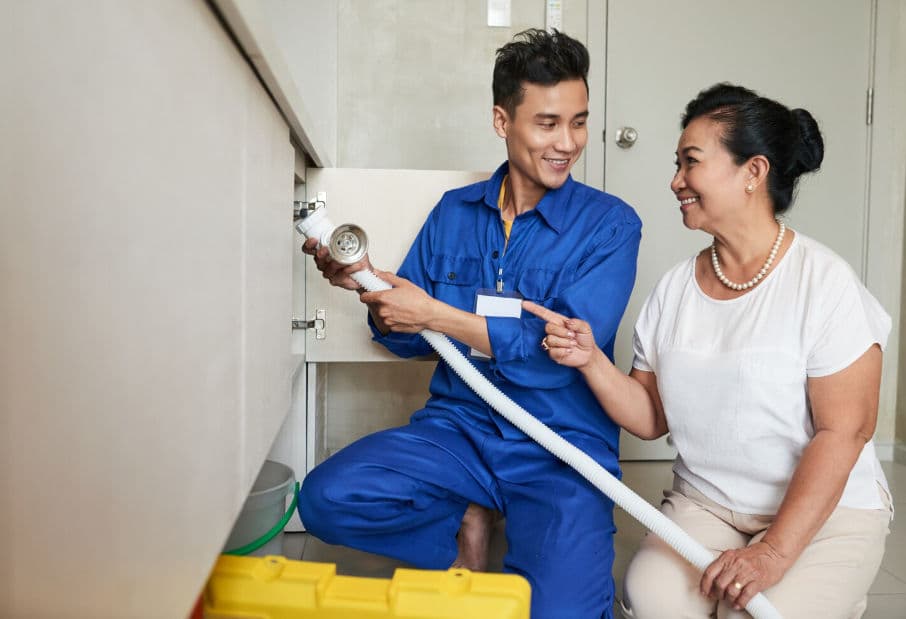
Plumbing connections are what keep your pipes working without leaks, and they come in a lot of shapes and sizes. They join different pipes securely, making sure water flows where it should without causing trouble. Depending on the system, connections might use threads, compression fittings, or solvent welding.
Homeowners who rely on dependable plumbing services often don’t realize how much these small pieces matter until something leaks or needs replacement. Picking the proper connection and checking it carefully can save headaches later, because not all pipes and materials mix the same way.
The Basics of Plumbing Couplings
Plumbing couplings are basically the little joints that hold your pipes together. They make a secure link between two pipes, even if the pipes are different materials or sizes. There’s copper, PVC, steel, and iron; it can get confusing. Couplings use threads, compression, or solvent welding to hold everything tight and prevent leaks.
You really want the type that fits the material and the pressure it will face. A sloppy choice now can mean trouble later. Understanding what each coupling does, even a bit, helps with maintenance and repairs down the road.
Common Types of Couplings
There are a few types that pop up most often. Compression couplings have a ring that tightens around the pipe as you turn the nut. Soldered couplings melt solder into place, which is permanent.
Push-fit couplings are simple; you push the pipe in, and it holds. Threaded couplings screw together. And slip couplings slide over the pipe and hold with clamps or adhesive. Each one has its strengths and weaknesses, and knowing which is right for the pipe in your home can save you a lot of trial and error.
Functions and Applications
Couplings don’t just hold pipes together; they keep your plumbing system running smoothly. They connect pipes of the same or different materials, let you extend a run, replace a section, or do repairs without heavy tools or welding. They work in water supply, drainage, heating, ventilation, you name it.
Some can handle high pressure; others are flexible to cope with shifting or expanding pipes. They also make it easier to take sections apart for repairs or maintenance, which is something anyone who’s done plumbing knows is a lifesaver when something goes wrong.
Installation Tips and Techniques
Installing a coupling isn’t rocket science, but there are a few tricks. Pipe ends need to be clean and deburred so nothing stops the joint from sitting flush. Pick a coupling that fits the pipe material and diameter. Slide it over the ends, make sure it sits evenly on both sides, and tighten carefully. Uneven pressure can lead to leaks later.
Once it’s all tightened, check for drips. Even small leaks now can turn into bigger problems later, so don’t skip that step. Taking a few extra minutes here saves time and trouble down the line.
Maintenance and Troubleshooting
Couplings aren’t completely set-it-and-forget-it. You want to keep an eye on them. If a leak shows up, check if a nut has loosened or if the coupling itself is worn. Corrosion, cracks, and deformation are warning signs that a replacement may be needed.
Routine inspection helps avoid big repair bills later. A little maintenance now keeps your system flowing and prevents emergency plumbing calls that nobody wants to make late at night.
Choosing the Right Coupling
When picking a coupling, material compatibility is key. PVC couplings for PVC pipes, copper for copper, and so on. You also need to think about diameter, water pressure, and the environment, like hot water, outdoor pipes, or tight spaces. Some situations call for a flexible coupling, others for a rigid one.
Making the correct choice upfront avoids leaks, future repairs, and frustration. Assess the system and the pipes, and match the coupling to the need. Doing this ensures your plumbing stays reliable for years, without constant babysitting or surprises.
Related Topics: