Best Methods for Dissolving Tree Roots in Sewer Lines
Tree roots in sewer lines cause recurring clogs; methods like chemical killers, hydro jetting, and cutting remove roots and restore flow.
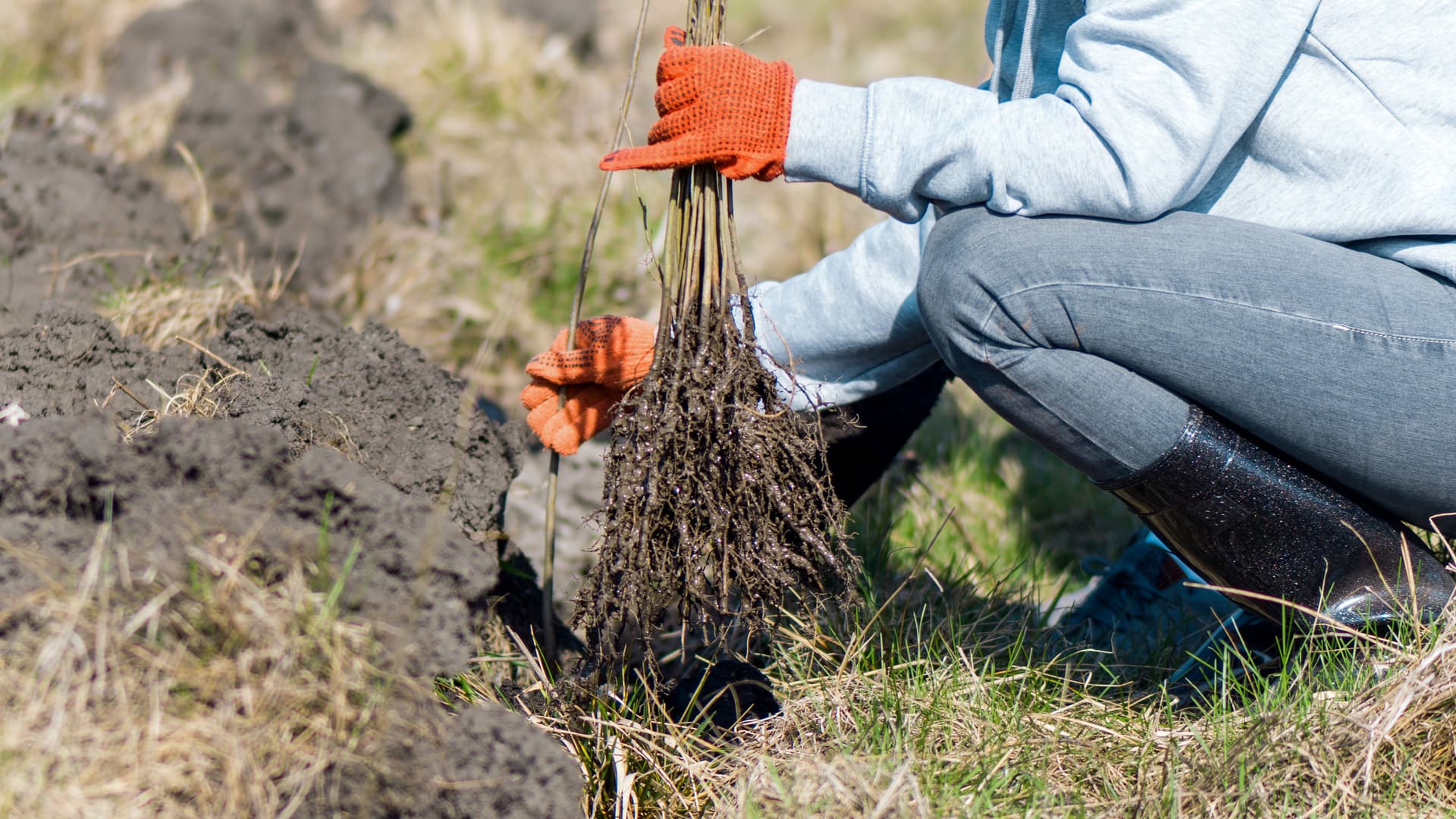
Tree roots getting into sewer lines is one of those things that sounds minor until it keeps happening. You clear it once, things improve, and then a few months later, the drains slow down again.
This post talks through the common ways roots are handled and why some fixes last longer than others. People looking for a quality plumbing solution usually want to know what is actually being done inside the pipe, not just that the water drains again for now. Knowing the difference matters.
Chemical Root Killers
Chemical root killers are often the easiest place to start. They are poured into a toilet near the affected line and left alone to do their thing. Over time, the chemicals weaken the roots and cause them to die back. That can help restore flow and reduce backups.
The problem is that the pipe itself usually stays the same. If there is a crack or joint where roots got in before, they tend to come back. So this method helps manage growth, but it is rarely the last step.
Hydro Jetting
Hydro jetting uses pressure instead of chemicals. A hose is pushed into the sewer line, and water is blasted through at a very high force. Roots break apart. Grease and sludge wash away. The inside of the pipe ends up much cleaner than it was before.
This method works well when the buildup has been collecting for a long time. It is not just about opening a path. It clears the pipe walls too. That said, pipe condition matters, especially in older systems.
Mechanical Augering
Mechanical augering has been around for a long time, and there is a reason it still gets used. A rotating cable moves through the pipe and cuts into the roots, blocking the line. Water starts flowing again quickly once the clog breaks up.
This method works well for moderate root problems and quick relief. It does not remove everything, though. Small root pieces can stay behind, and that gives new growth something to latch onto later.
Root Cutting Blades
Root cutting blades come into play when roots are thicker and more packed in. These blades attach to equipment and slice through roots instead of just scraping at them. As the blades spin, they cut the roots into pieces that can be flushed out.
This method clears tough blockages fast. Like other cutting methods, it focuses on removing what is there now. The opening that lets the roots in usually stays unless repairs are made.
Biological Enzyme Treatments
Biological enzyme treatments take a different approach. They work slowly and overtime. Enzymes break down organic material inside the pipe, including root growth. This does not give instant results, and it is not meant to.
It is often used after roots have already been cleared to help slow regrowth. Some homeowners like this option because it is steady and hands-off, but patience is part of the deal.
High-Pressure Water Jetting
High-pressure water jetting is often used when root problems keep coming back. Strong water streams reach deep into the pipe and flush out debris that tools sometimes miss. It also helps clean residue left behind after roots are removed.
This method is usually part of deeper maintenance rather than a quick fix. Used at the right time, it can buy more time between cleanings and help keep things flowing longer.
Related Topics: