How Long Should It Take a Plumber to Replace a Toilet
A toilet replacement usually takes 2–3 hours, but prep, plumbing condition, and toilet type can speed up or delay the job.
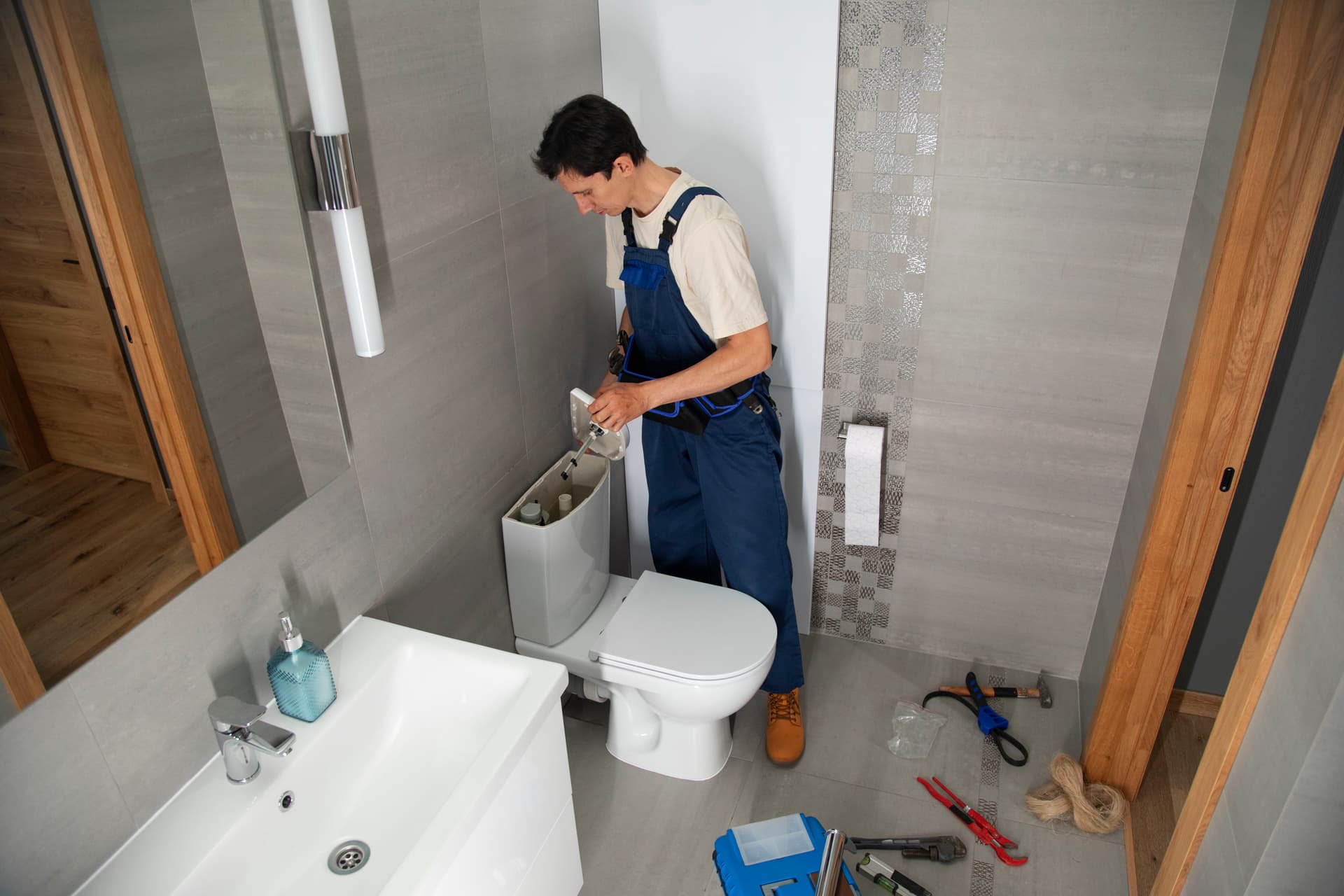
Most of the time, a plumber can swap out a toilet in about 2 to 3 hours. It really depends on a few things, though. Like, if the installation is tricky or the old plumbing is in rough shape, you might need special tools on hand, and if something unexpected pops up, it can slow things down.
Certain toilets, especially pressure-assisted models, take a bit longer than gravity-fed models. Before anything starts, the plumber will turn off the water, check the area for any damage, and ensure the room has adequate airflow. Going with experienced local plumbing services in Alton, IL, makes the whole process less stressful.
Factors Affecting Replacement Time
The clock on a toilet replacement can swing in either direction depending on a few key variables. Is this a simple swap-out, or does the plumbing need adjustments? Maybe the flooring has issues that need addressing first. If the existing pipes and connections are solid, the job moves faster. But if there's corrosion, outdated fittings, or wear that needs repair, you're looking at added time.
Tool and material availability matter more than people realize. A plumber who shows up with everything needed can work without interruption. Missing a specific wrench or the right-size wax ring? That's a hardware store run that eats into the timeline.
Average Time Frame for Installation
A competent plumber can knock out a standard toilet replacement in roughly two to three hours. That window covers the full sequence: cutting off the water supply, draining both the tank and bowl, disconnecting supply lines, pulling the old unit, prepping the floor area, setting the new toilet, hooking up water, sealing the base, and running functionality tests.
That said, this is a ballpark figure. The type of toilet being installed can shift things. The same goes for discovering problems mid-job, like a cracked flange or subfloor damage that wasn't visible until the old toilet came out. These curveballs can stretch the project beyond that two-to-three-hour estimate.
Types of Toilets and Installation Complexity
Not all toilets are created equal when it comes to installation difficulty. Gravity-feed toilets, the most common residential type, are pretty straightforward. Simple design, fewer components, quicker installation.
Pressure-assisted toilets are a different story. They've got internal pressure tanks and additional mechanisms that require more careful handling and connection work. The install takes longer because there's just more to deal with.
Wall-hung toilets sit at the top of the complexity ladder. These require a carrier system mounted inside the wall for support, which means the installation involves more than just the toilet itself. If that carrier isn't already in place, you're looking at a significantly longer project. Accessibility to plumbing connections and whether the new model fits existing rough-in dimensions also factor into the total time spent.
Preparatory Work and Site Conditions
Before a wrench even touches a bolt, there's prep work that sets the stage for everything else. The water supply has to be shut off, and any remaining water drained from the tank and bowl. Nobody wants a flood situation.
The floor around the toilet base deserves a good inspection. Signs of water damage, soft spots, or rot can indicate bigger problems. A toilet needs a stable foundation, so compromised flooring has to be addressed before installation proceeds. The flange, that ring connecting the toilet to the drainpipe, needs checking too. If it's loose, cracked, or corroded, that's a leak waiting to happen.
Clearing the immediate workspace and making sure there's decent airflow helps the job move along safely and efficiently.
Plumber's Expertise and Efficiency
Experience makes a noticeable difference in how toilet replacements go. A seasoned plumber can pull the old unit, assess the flange and piping situation, and prep for the new fixture without wasted motion. They understand the quirks of toilet connections, how seals behave, and what proper alignment looks like.
When something unexpected pops up, and it often does in plumbing work, that expertise means faster problem-solving instead of head-scratching delays. Speed without sacrificing quality is the goal. Proper fittings, secure seals, and correct alignment prevent callbacks for leaks or wobbling toilets down the road.
Tips for Timely Toilet Replacement
Good preparation cuts down on installation time significantly. Before starting, confirm the water supply is off and the tank is fully drained. Gather all tools and materials ahead of time: an adjustable wrench, a screwdriver, a replacement wax ring, mounting bolts, and the new toilet itself.
Clear the bathroom floor so there's room to maneuver. Take a look around the toilet base for any water stains, soft flooring, or other red flags that might need attention during the swap. When removing the old toilet, disconnect the water supply line carefully and lift the tank and bowl as separate pieces if possible; they're heavier together than most people expect.
Setting up the new toilet requires patience. Align it properly over the flange, press down evenly to seat the wax ring, and secure with bolts without overtightening, which can crack the porcelain. Run water through the system and check for leaks at every connection point before calling the job complete.
Contact Us
Facing plumbing issues? Contact A+ Plumbing & Drain Cleaning for reliable and professional services in the Tri-Cities area.
Address: 3680 Seiler Rd, Bethalto, IL 62010
Phone: (618) 363-1489
Business Hours: Open 24/7
For inquiries or to schedule a service, please visit our Contact Us page.
Related Topics: