A Complete Guide to What Is Backflow in Plumbing
Backflow occurs when water flows backward, risking contamination; proper devices and regular testing keep your plumbing safe.
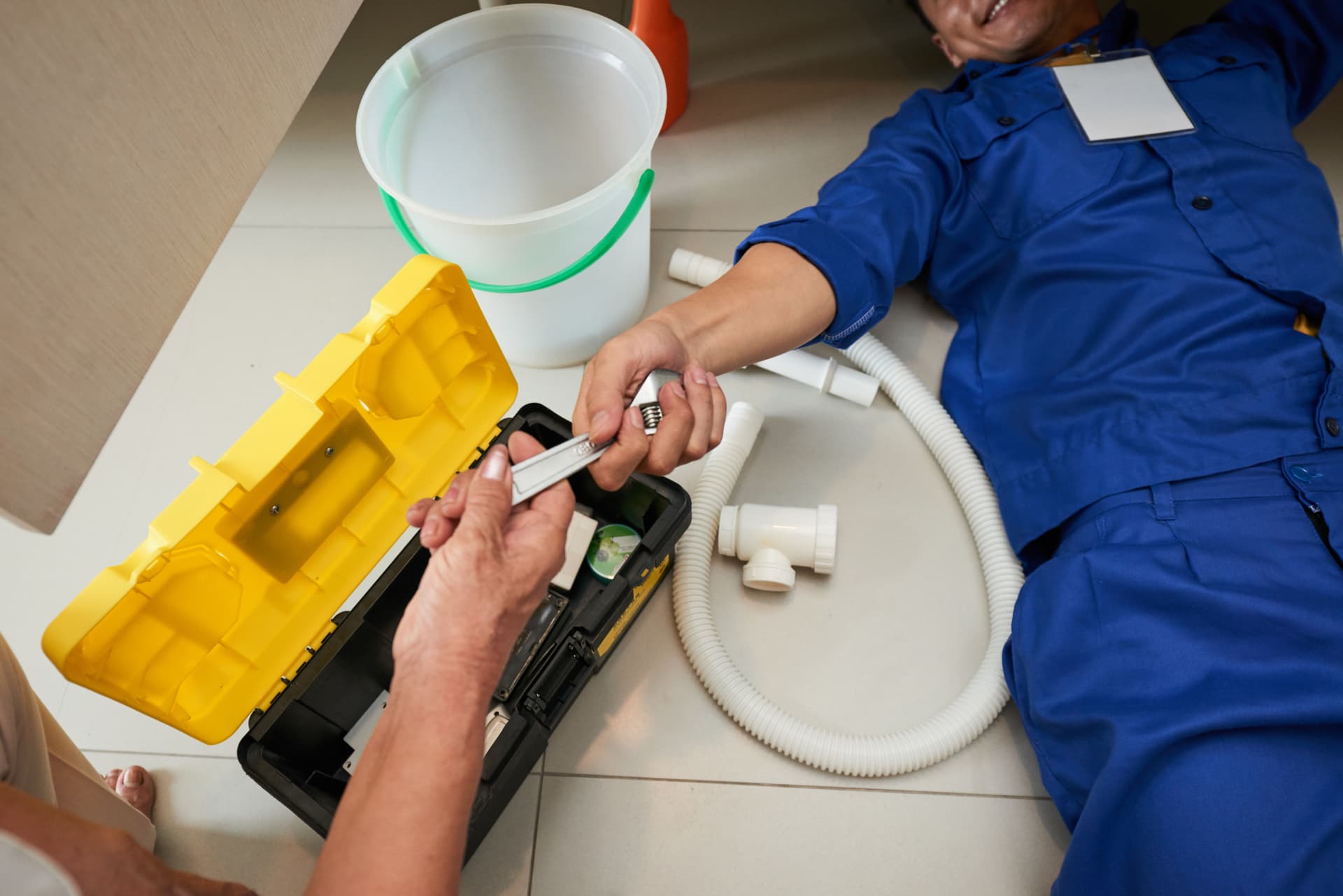
Plumbing might seem straightforward, but things like backflow can sneak up on you and cause real trouble. When water in your pipes flows the wrong way, it can pull in all sorts of stuff you don’t want in your drinking water. That’s why working with the best plumbing services in Alton, IL matters, especially if you’re worried about safety and clean water at home.
Backflow can happen from either backpressure or backsiphonage. Backpressure is what you get when the pressure downstream gets higher than the supply, and backsiphonage occurs when the pressure drops suddenly and water gets sucked back. Either way, contaminants can make their way into your clean water. Keeping devices like preventers, check valves, and air gaps in place, and checking them regularly, is the only way to stay ahead of the problem.
Understanding Backflow in Plumbing
So how does backflow actually happen? Basically, it’s when water starts going the wrong way in your pipes. Backpressure pushes water backward if the downstream pressure gets higher than what’s coming in. Back-siphonage is a little different; it’s more like a vacuum effect. Say a water main breaks or someone opens a fire hydrant nearby; suddenly, the clean water line can suck in water from whatever’s connected, and that can be nasty.
Things like boilers, irrigation systems, or chemical lines can all contaminate your water if backflow isn’t stopped. That’s why having backflow prevention devices matters; they keep everything moving in the right direction.
Causes of Backflow
Backflow doesn’t just happen for no reason. Pumps can overpressurize your pipes, thermal expansion can build up pressure, or sudden drops in the system can create a back-siphonage effect. Even something as simple as a fire hydrant being used down the street can create the right conditions for backflow.
It’s easy to forget, but plumbing systems have a lot going on. Knowing the causes helps you see why devices like check valves and air gaps aren’t just extra gadgets; they actually prevent your water from getting contaminated.
Risks Associated With Backflow
The risks aren’t just theoretical. Backflow can bring pathogens, chemicals, or other pollutants into your clean water. That means anything from your irrigation system or boiler could end up in your tap. And it’s not just your home; widespread backflow can hurt entire neighborhoods if the right devices aren’t in place.
You might not notice anything immediately, but over time it can lead to health problems or even legal headaches if you’re running a business. The best plumbing services in Alton, IL, know how to spot potential backflow hazards and fix them before they cause real trouble.
Prevention Methods for Backflow
Stopping backflow is really about putting barriers in the right spots. Backflow preventers, air gaps, and check valves all do slightly different things but aim for the same goal: letting water go one way only. Air gaps are just a little space that stops contaminated water from touching clean water. Check valves automatically shut if water tries to flow backward.
Preventers do the heavy lifting, letting water through in the right direction and keeping it from reversing. And it’s not a set-it-and-forget-it situation. They need testing and maintenance to make sure they actually work, which is why regular inspections are essential.
Addressing Backflow Issues
If backflow happens, it’s not the end of the world, but it does need attention fast. Checking devices like backflow preventers and valves is the first step. Monitoring water pressure helps catch issues before they happen, and looking at cross-connections where clean and dirty water might meet is key.
If something goes wrong, shut off the water and call a professional. Having someone trained on what to look for can save a lot of headaches down the road. Regular upkeep and being alert to changes in your system go a long way in keeping things under control.
Importance of Backflow Testing
Testing for backflow might not sound exciting, but it’s really about keeping your water safe. These tests make sure water only flows one way and that your prevention devices are doing their job. Testing is also a requirement in many areas, so you’re avoiding regulatory issues as well as potential contamination.
Problems are caught early, devices can be repaired or replaced, and you stay confident that your water is clean. Think of it as a bit of insurance for your plumbing system, keeping everything flowing safely and preventing nasty surprises.
Related Topics: