Signs Your Main Sewer Line May Be Clogged
Learn to identify common signs of a clogged main sewer line, such as slow drains, strange noises, and bad smells, to prevent costly repairs and messy cleanups.
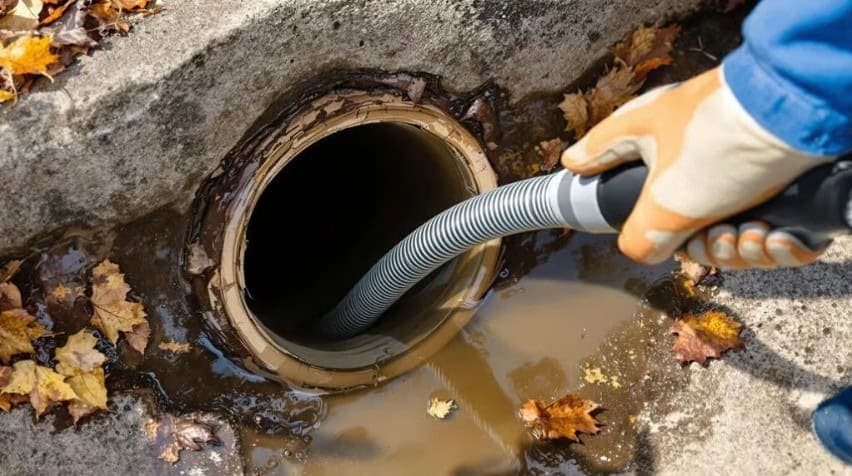
A clogged main sewer line can cause serious problems if you don't catch it early. Slow drains, strange noises from your pipes, and bad smells in the house are all red flags worth paying attention to. Reliable plumbers can diagnose these issues fast and get your system flowing again. This post covers the most common warning signs of a sewer line blockage. Knowing what to look for can save you from expensive repairs and messy cleanups down the road.
Slow Draining Fixtures
If your main sewer line has a blockage, you'll probably notice water draining slower than usual from sinks, showers, bathtubs, and toilets. This happens because the clog restricts wastewater from moving through the pipes, causing backups across multiple fixtures. Common causes include grease buildup, hair, soap scum, or tree roots growing into the pipes. Don't wait on this one slow drains can turn into complete blockages or sewage backups if left alone. Getting a professional out to find and fix the problem early saves you a lot of headaches.
Gurgling Sounds in Drains
Hearing gurgling noises from your drains usually means air is trapped in the pipes due to a blockage or poor venting. When water flows down the drain, it pushes past that trapped air and creates the gurgling sound you're hearing. This often signals a partial clog in the drain line that's blocking normal water flow and creating air pockets. Ignoring it can lead to bigger problems like full backups or overflows. If you hear gurgling, get the drainage system checked out before things get worse.
Water Backing Up
Water coming back up through your sinks, toilets, or showers is a clear sign something is blocking your plumbing system. This usually means there's a clog in the main sewer line that's stopping wastewater from passing through normally. The longer you leave it, the worse it gets backups can lead to flooding and costly damage. Call a professional plumber to track down the blockage and fix it before it turns into a bigger mess. Quick action here prevents expensive repairs and a lot of cleanup.
Foul Odors in the House
Bad smells in your home can point straight to a sewer line problem. When the line is clogged, gases and odors get trapped and start seeping into your living space. These smells are usually musty or rotten like raw sewage. You'll notice them most around drains, in the basement, or sometimes coming through the walls. Beyond being unpleasant, these gases can pose health risks, so don't ignore persistent sewer smells. If the odor shows up alongside other signs like water backing up, it's time to call a pro for an inspection.
Lush Patches in the Yard
If you spot sections of your yard that look unusually green and thick compared to the rest, it could mean sewage is leaking from a cracked or clogged sewer line. The leaked sewage acts like fertilizer, feeding the grass above and causing it to grow faster in certain spots. While those patches might look nice on the surface, what's happening underneath is a different story. Sewage leaks can damage your sewer line further and create health hazards. If you notice uneven growth patterns in your yard, have a plumber inspect the line to rule out any issues.
Multiple Clogged Fixtures
When more than one fixture in your home is backing up at the same time, it's a strong sign that the main sewer line has a problem. This goes beyond a single clogged drain it means something deeper in the system needs attention. Here are the signs to watch for:
Sinks, showers, or bathtubs draining slowly.
Gurgling noises coming from drains.
Water backing up in one fixture when you use another.
Bad smells coming from drains or toilets.
If you're dealing with several of these at once, skip the drain cleaner and get a professional inspection scheduled. Finding the root cause now prevents further damage later.
Related Topics: