What Is a Plumbing Fixture: Exploring Common Types and Uses
Discover the vital roles of common plumbing fixtures in your home. Learn about types like sinks, toilets, and their uses. Get maintenance tips and upgrade advice.
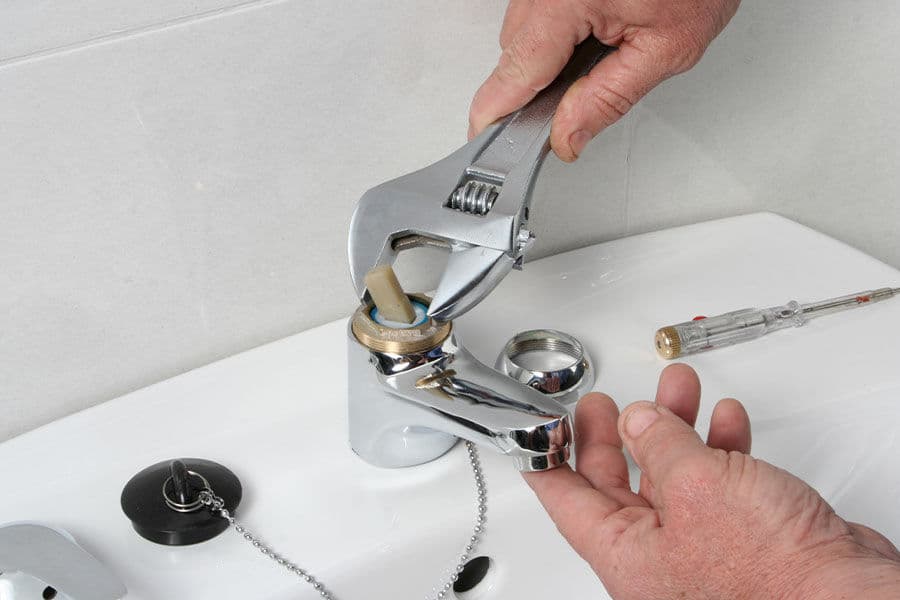
Your home's plumbing system relies on dozens of fixtures you probably use every day without thinking twice. From the kitchen sink to your bathroom toilet, these components control how water moves through your space. Knowing what each fixture does can help you spot problems early and make smarter upgrade decisions. This guide breaks down the most common types of plumbing fixtures and what they're actually used for. A leading plumbing company can help you pick the right fixtures for your specific setup and budget.
Definition of Plumbing Fixtures
Plumbing fixtures are the devices in your building that connect to the water supply and drainage systems. Think sinks, faucets, toilets, showers, and bathtubs. Each one has a specific job: sinks handle washing, faucets control water flow, toilets remove waste, and showers and tubs let you bathe. Getting these fixtures installed correctly matters if you want to avoid leaks, clogs, or wasted water down the road. If you're handling any plumbing work or building maintenance, understanding how these pieces connect makes troubleshooting way easier.
Types of Bathroom Fixtures
Bathrooms pack in several fixtures that handle both function and style. The usual lineup includes sinks, toilets, bathtubs, showers, and bidets. Sinks come in pedestal, wall-mounted, and under-mounted styles, each with their own look and space requirements. Toilets are either one-piece or two-piece designs with gravity-fed or pressure-assisted flushing. Bathtubs range from basic alcove models to freestanding soaker tubs. Showers can stand alone or pair with a tub, and you can add features like rain showerheads or handheld sprays. Bidets offer better personal hygiene and come in several configurations. Knowing your options helps you build a bathroom that actually works for your daily routine.
Common Kitchen Fixtures
Kitchen fixtures do the heavy lifting when it comes to food prep and cleanup. The main players are sinks, faucets, garbage disposals, and dishwashers. Kitchen sinks are usually stainless steel or porcelain and handle everything from washing dishes to rinsing produce. Faucets come in styles like pull-down or commercial pre-rinse, giving you control over water flow. Garbage disposals grind up food scraps, reducing trash and bad smells. Dishwashers take care of the dishes so you don't have to. All these fixtures work together, so proper installation and upkeep keep your kitchen running smoothly.
Outdoor Plumbing Fixtures
Outdoor fixtures bring water access and drainage to your exterior spaces. Garden hose bibs are probably the most common. They've got a threaded outlet that makes connecting a hose quick and easy. Outdoor faucets handle tasks like filling buckets or watering plants. Floor drains prevent water from pooling near your foundation by directing it away from the building. Outdoor showers let you rinse off after swimming or yard work before tracking dirt inside. These fixtures make maintaining your outdoor areas a lot more convenient.
Specialty Plumbing Fixtures
Some plumbing setups need specialized fixtures to handle specific demands in homes, businesses, or industrial spaces. Here are four common types:
Water Filtration Systems: These remove contaminants from your water supply, giving you cleaner drinking water straight from the tap.
Grease Traps: Used primarily in commercial kitchens, these capture fats, oils, and grease before they reach the drain and cause blockages.
Eye Wash Stations: Found in industrial and lab settings, these provide immediate flushing of the eyes if someone is exposed to chemicals or debris.
Commercial Dishwashers: Built for high-volume use, these handle the constant dish flow in restaurants and cafeterias.
Importance of Proper Maintenance
Keeping up with fixture maintenance saves you money and headaches in the long run. Skipping regular upkeep leads to leaks, clogs, and fixtures that don't work as well as they should. Make a habit of checking faucets, toilets, and water heaters for drips, loose fittings, or wear. Clean out aerators, flush your water heater periodically, and inspect seals and gaskets for cracks. Catching small issues early prevents expensive emergency repairs later. Stay on top of your maintenance schedule and fix problems as soon as you notice them. Your fixtures will last longer, and your plumbing will stay reliable.
Related Topics: